
Most PicoScope kits are backordered a couple weeks, secure yours today!
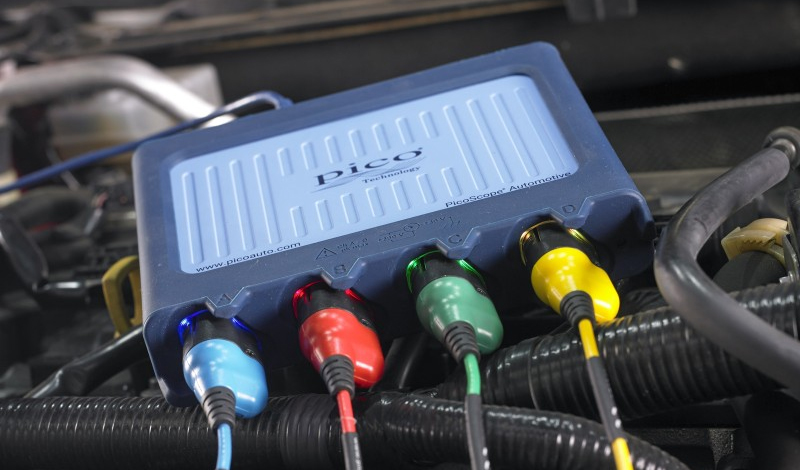

The PicoScope Automotive Authority
Autonerdz PicoScope training now available with monthly Subscription!
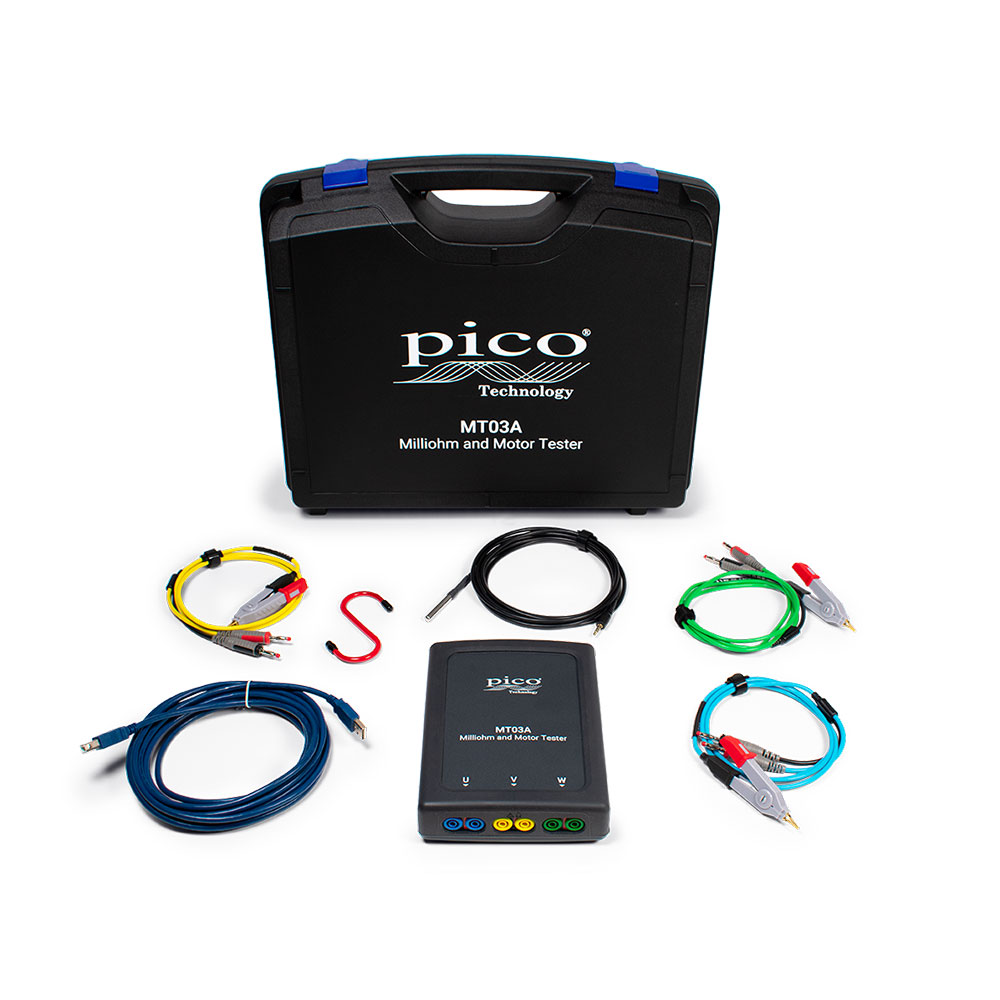 EV Milliohm and Motor Tester
 Sherman Bird2022-10-24Always helpful and willing to point me towards resources that enhance my competence.! Trevor Rocks!!!
 Rick Lockwood2022-05-19Working with Trevor was an absolute pleasure. He was willing to spend the time to custom fit our needs.
 Will Diaz2022-04-19The go-to place for Picoscope. Ask for Trevor! Have bought and will continue to buy from Autonerdz for their amazing support before, during, and after you buy from them.
 Mauricio Gonzalez2021-12-29FAST ANSWER EVERY TIME TNKS// TAMBIEN EL SOPORTE POR PARTE DEL SR JORGE BONET DE MUCHA AYUDA PARA LA COMUNIDAD LATINA GRACIAS POR PENSAR EN NOSOTROS,,,
 juergen scholl2021-11-18Excellence and competence. Trevor with Autonerdz provides a first class service to the customer, always taking care! Thank you sir!